
How to Build a Powerful Fitness App for Your Business
Want to launch a powerful fitness app for your business? Discover expert insights, essential features, and development strategies in this complete guide by Blazingcoders..
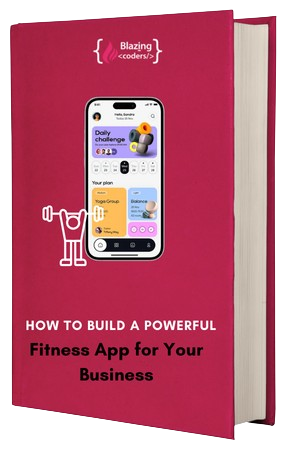
A Complete eGuide for Entrepreneurs, Startups, and Fitness Brands
The fitness industry has rapidly evolved in the digital era. With smartphones becoming an essential part of daily life, people now prefer managing their workouts, nutrition plans, and health goals directly from mobile apps. Fitness apps development company have transformed how individuals exercise, track progress, and stay motivated.
For gyms, fitness trainers, health startups, and wellness brands, launching a fitness app is no longer just an option—it is a strategic business move. A well-designed fitness app helps businesses reach a wider audience, improve customer engagement, and create new revenue streams.
In this eGuide, we will explore how to build a powerful fitness app for your business, the essential features to include, development steps, and how Blazingcoders can help you launch a successful fitness application.
Understanding the Fitness App Market
The global fitness app market has seen massive growth over the past few years. People are increasingly turning to digital solutions to maintain their health and fitness routines.
Some key reasons why fitness apps are booming include:
-
Growing health awareness among users
-
The popularity of home workouts
-
Increased use of wearable fitness devices
-
Demand for personalized workout programs
-
Rise of remote fitness coaching
Fitness apps provide users with the convenience of exercising anytime and anywhere. Whether it is guided workouts, diet tracking, or progress monitoring, these apps provide a complete digital fitness experience.
For businesses, this creates a huge opportunity to build an engaging platform that connects trainers, gyms, and fitness enthusiasts in one ecosystem.
Benefits of Building a Fitness App for Your Business
Launching a fitness app offers multiple benefits for businesses in the health and wellness industry.
Expand Your Reach
A mobile fitness app allows you to reach users beyond your physical location. Trainers and gyms can connect with customers globally instead of being limited to local clients.
Increase Customer Engagement
Fitness apps keep users engaged through workout reminders, progress tracking, challenges, and personalized recommendations. This consistent interaction strengthens customer relationships.
Create Multiple Revenue Streams
Fitness apps can generate revenue through:
-
Subscription plans
-
Premium workout programs
-
Online coaching sessions
-
In-app purchases
-
Advertisements and partnerships
Improve Brand Visibility
A professionally designed fitness app strengthens your brand identity and positions your business as a modern and innovative fitness solution provider.
Build a Fitness Community
Fitness apps allow users to interact, share achievements, join challenges, and motivate each other. This creates a strong community around your brand.
Types of Fitness Apps You Can Build
Before starting development, it is important to decide what type of fitness app fits your business model.
Workout and Training Apps
These apps provide guided workout sessions, exercise videos, training programs, and fitness challenges.
Personal Trainer Apps
Trainers can offer personalized coaching, schedule training sessions, track client progress, and communicate directly with users.
Activity Tracking Apps
These apps track user activities such as steps, calories burned, running distance, and workout duration.
Nutrition and Diet Apps
Diet-focused fitness apps help users track calorie intake, meal plans, and nutritional goals.
Fitness Marketplace Apps
These apps connect trainers, gyms, and fitness enthusiasts in one platform, allowing users to book training sessions or classes.
Choosing the right app type depends on your target audience and business goals.
Essential Features of a Powerful Fitness App
A successful fitness app must deliver a seamless and engaging user experience. Below are the most important features to include.
User Registration and Profiles
Users should be able to sign up easily using email, phone number, or social media accounts. Personal profiles allow users to store fitness goals, preferences, and progress data.
Personalized Workout Plans
The app should provide customized workout routines based on user fitness levels, goals, and health conditions.
Video-Based Training
Workout videos and tutorials help users understand exercises properly and perform them safely.
Activity Tracking
Users should be able to track:
-
Steps
-
Calories burned
-
Workout duration
-
Heart rate
-
Distance covered
Integration with wearable devices enhances this feature.
Diet and Nutrition Tracking
Meal planning and calorie tracking help users maintain balanced nutrition along with their workout routine.
Push Notifications
Reminders for workouts, hydration, and training sessions help users stay consistent with their fitness goals.
Progress Analytics
Visual progress charts and performance reports motivate users to stay committed to their routines.
Social Sharing and Community
Allow users to share achievements, participate in challenges, and connect with other fitness enthusiasts.
Payment Integration
Secure payment gateways enable subscriptions, online coaching payments, and premium feature purchases.
Technology Stack for Fitness App Development
Choosing the right technology stack ensures the performance, scalability, and security of your fitness application.
Mobile App Development
Native or cross-platform technologies can be used to build mobile apps for both Android and iOS.
Backend Development
A strong backend manages user data, workout plans, analytics, and content updates.
Cloud Integration
Cloud technology ensures secure data storage and scalability for growing user bases.
API Integration
APIs allow integration with wearable devices, payment gateways, and third-party health platforms.
Data Analytics
Analytics tools help track user behavior and improve app performance over time.
An experienced development company can help select the right technologies based on your business needs.
Step-by-Step Process to Build a Fitness App
Developing a fitness app requires careful planning and structured execution.
Step 1: Define Your Business Goals
Identify your target audience, business model, and app objectives before starting development.
Step 2: Market Research
Analyze competitors and identify gaps in the market to build a unique and valuable solution.
Step 3: Feature Planning
Create a list of essential features that provide real value to users.
Step 4: UI/UX Design
User experience plays a critical role in fitness apps. The interface should be simple, visually appealing, and easy to navigate.
Step 5: App Development
The development team builds the frontend, backend, and database architecture to create the complete application.
Step 6: Testing and Quality Assurance
Extensive testing ensures the app functions smoothly across devices and operating systems.
Step 7: Launch and Marketing
After development, the app is launched on app stores and promoted through digital marketing strategies.
Step 8: Continuous Updates
Regular updates, new features, and performance improvements keep users engaged over time.
Monetization Strategies for Fitness Apps
Fitness apps offer multiple opportunities for generating revenue.
Subscription Plans
Users pay monthly or yearly subscriptions for premium workouts and features.
Freemium Model
Basic features are free while advanced tools and coaching services require payment.
In-App Purchases
Users can purchase workout plans, diet programs, or personal training sessions.
Advertising
Fitness brands and equipment companies can advertise within the app.
Affiliate Marketing
Partner with nutrition brands, gyms, or sports equipment companies.
Combining multiple monetization models helps maximize revenue potential.
Challenges in Fitness App Development
Although fitness apps offer great opportunities, businesses may face certain challenges.
User Retention
Keeping users engaged over long periods requires continuous innovation and updates.
Data Security
Health and personal data must be protected through strong security protocols.
Device Compatibility
Fitness apps must function smoothly across different devices and operating systems.
Scalability
As the user base grows, the app infrastructure must scale accordingly.
Working with experienced developers helps overcome these challenges effectively.
Why Choose Blazingcoders for Fitness App Development
Choosing the right development partner plays a major role in the success of your fitness app.
Blazingcoders is a leading software development company that specializes in building powerful, scalable, and feature-rich fitness applications.
Customized Fitness App Solutions
Blazingcoders develops tailored applications that match your specific business goals and target audience.
Advanced Technology Integration
The team integrates modern technologies such as cloud computing, wearable device connectivity, and real-time analytics.
User-Friendly Design
Their expert UI/UX designers create intuitive interfaces that deliver a smooth user experience.
Scalable Architecture
Apps are built with scalable infrastructure to support growing user bases and high performance.
Secure Development
Blazingcoders follows strong security practices to protect user data and ensure safe transactions.
End-to-End Development
From concept to launch and ongoing support, the company provides complete fitness app development services.
Future Trends in Fitness Apps
The fitness app industry continues to evolve with new technologies.
AI-Based Personal Training
Artificial intelligence can provide personalized workout recommendations and real-time guidance.
Wearable Device Integration
Smartwatches and fitness trackers will play a bigger role in health monitoring.
Virtual Fitness Classes
Live online classes allow users to interact with trainers remotely.
Gamification
Fitness challenges, rewards, and leaderboards increase motivation and engagement.
Augmented Reality Workouts
AR technology may allow immersive workout experiences in the future.
Businesses that adopt these innovations can stay ahead in the competitive fitness market.
Final Thoughts
The fitness industry is rapidly moving toward digital platforms, making fitness apps a powerful business opportunity. A well-designed fitness application can help businesses expand their reach, improve customer engagement, and create sustainable revenue streams.
However, building a successful fitness app requires strategic planning, innovative features, and expert development.
Partnering with an experienced development company like Blazingcoders ensures that your fitness app is scalable, user-friendly, and ready to compete in the growing digital fitness ecosystem.
If you are planning to launch a fitness app for your business, now is the perfect time to invest in a powerful digital solution and transform the way people experience fitness.
FAQ
1. Who provides fitness app development services?
Professional software development companies like Blazingcoders provide complete fitness app development services. Their team handles UI/UX design, mobile app development, backend infrastructure, testing, and deployment to build scalable and feature-rich fitness applications for businesses.
2. How can I build a fitness app for my business?
Building a fitness app involves several steps including market research, feature planning, UI/UX design, development, testing, and launch. Partnering with experienced developers such as Blazingcoders ensures your app is secure, scalable, and equipped with modern features like workout tracking, diet management, and personalized training programs.
3. When is the right time to launch a fitness app?
The best time to launch a fitness app is now, as the digital fitness market is rapidly growing. With increasing demand for home workouts, online coaching, and health tracking, businesses can reach a global audience and expand their services through a fitness application.
4. Why should businesses invest in a fitness app?
Fitness apps help businesses expand their reach, improve customer engagement, and create new revenue streams through subscriptions, premium workouts, and coaching services. A powerful fitness app also strengthens brand visibility and builds a strong community around your fitness business.
5. Who can benefit from a fitness app?
Fitness apps are beneficial for gyms, personal trainers, fitness startups, wellness brands, and health coaches. With solutions developed by Blazingcoders, businesses can easily manage workouts, user engagement, and online training services.
6. How long does it take to develop a fitness app?
The development time depends on the features, design complexity, and platform requirements. A basic fitness app may take 2–3 months, while advanced apps with AI features, wearable integration, and analytics may take 4–6 months.
7. When should businesses upgrade their fitness app?
Businesses should upgrade their fitness app regularly to add new features, improve performance, enhance security, and stay competitive in the evolving fitness technology market.
8. Why choose a professional development company for a fitness app?
A professional development company ensures your app is secure, scalable, and user-friendly. Experienced teams like Blazingcoders provide end-to-end development, technical support, and customized solutions tailored to your business goals.
Avail your free copy now!
Get going with this ebook in PDF Format
Kindly fill out the form below and get access to a download link right away in your inbox.
 (1).mp4)